
WILD SIDE Rods by LEGIT DESIGN
Before founding LEGIT DESIGN, Iitaka Hirofumi and Onikata Takeshi had already created some of the industry's most iconic rods. WILD SIDE was their first collaboration.
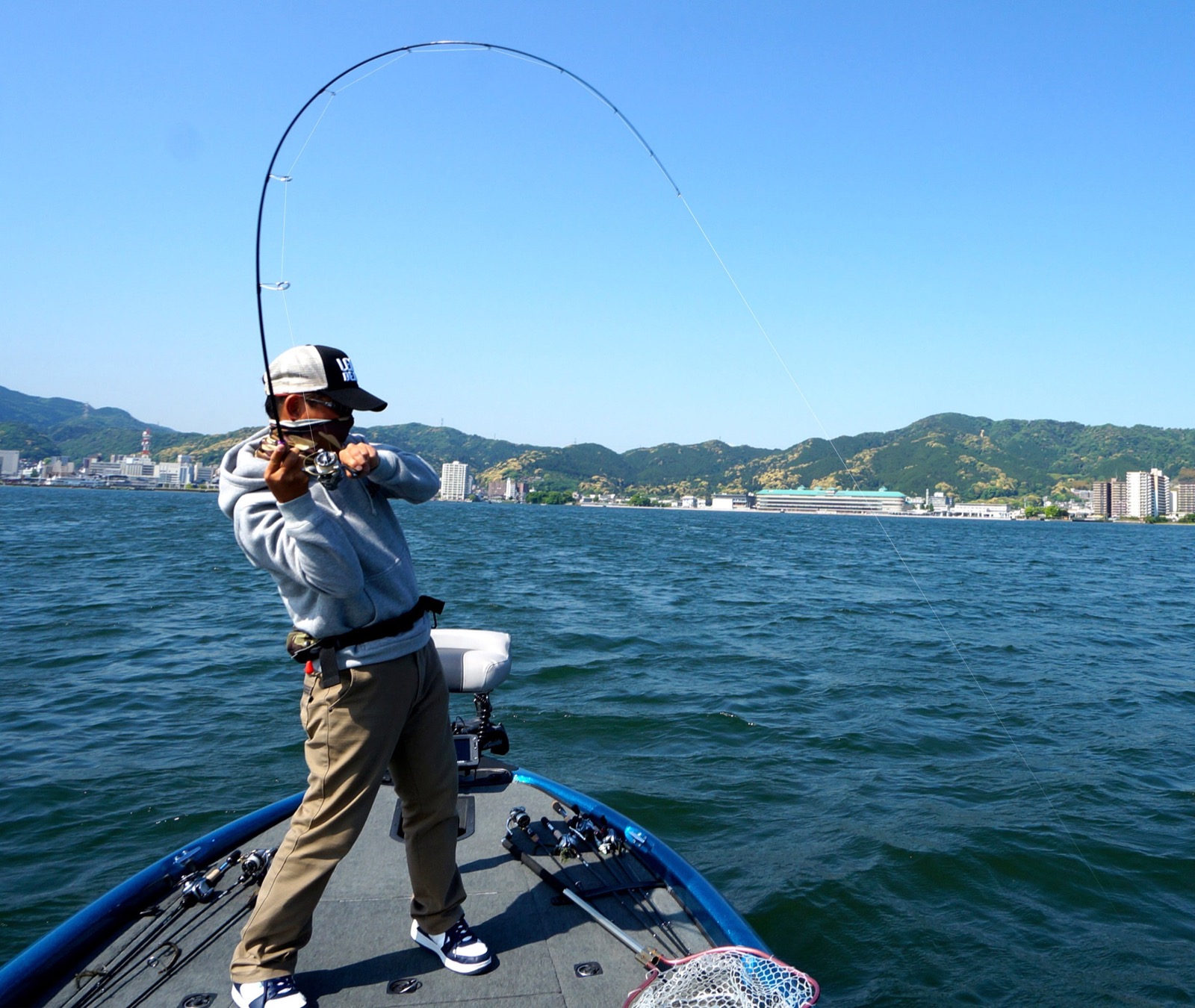
They set out to make an exceptional series of bass rods that were capable enough for the professional, but with a price point that would appeal to the amateur angler.
The overall philosophy
Lightness and sensitivity have become signals of a high quality rod. After all, it is very easy to pick up a rod and tell if it is light. But there are more questions to answer in rod design than just how light and sensitive it is. How well does it cast? Does it present the bait well? Do you have enough power for the hook set and to lift the fish? Does the line stick to the blank or does it flow smoothly through the guides? Does the grip feel just as great after a thousand casts as it does when you first put it in your hand? And does it work for every type of grip? To design a truly great rod, you must answer all these questions and more.
The blank
In many ways the blank is the spirit of the rod. We studied all graphite materials when developing WILD SIDE. 30T and 40T graphite are our fundamental materials. We use 46T high modulus graphite for certain models, and also use different resin contents of 24T graphite for specific features.
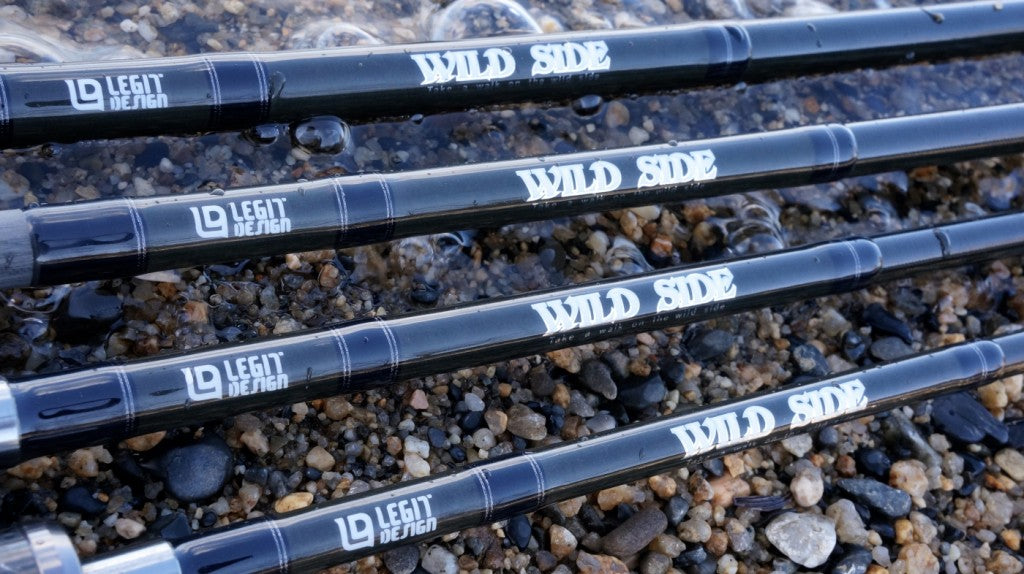
Aramid reinforcement
Aramid fiber (also known as Kevlar) is a strong, heat-resistant material most often used in aerospace and military applications. We apply aramid technology to our rods using a technique called "aramid reinforcement," which strengthens the rods while still keeping them flexible. The result is a rod with enhanced action, improved tenacity, and a longer lifespan.
Guide settings
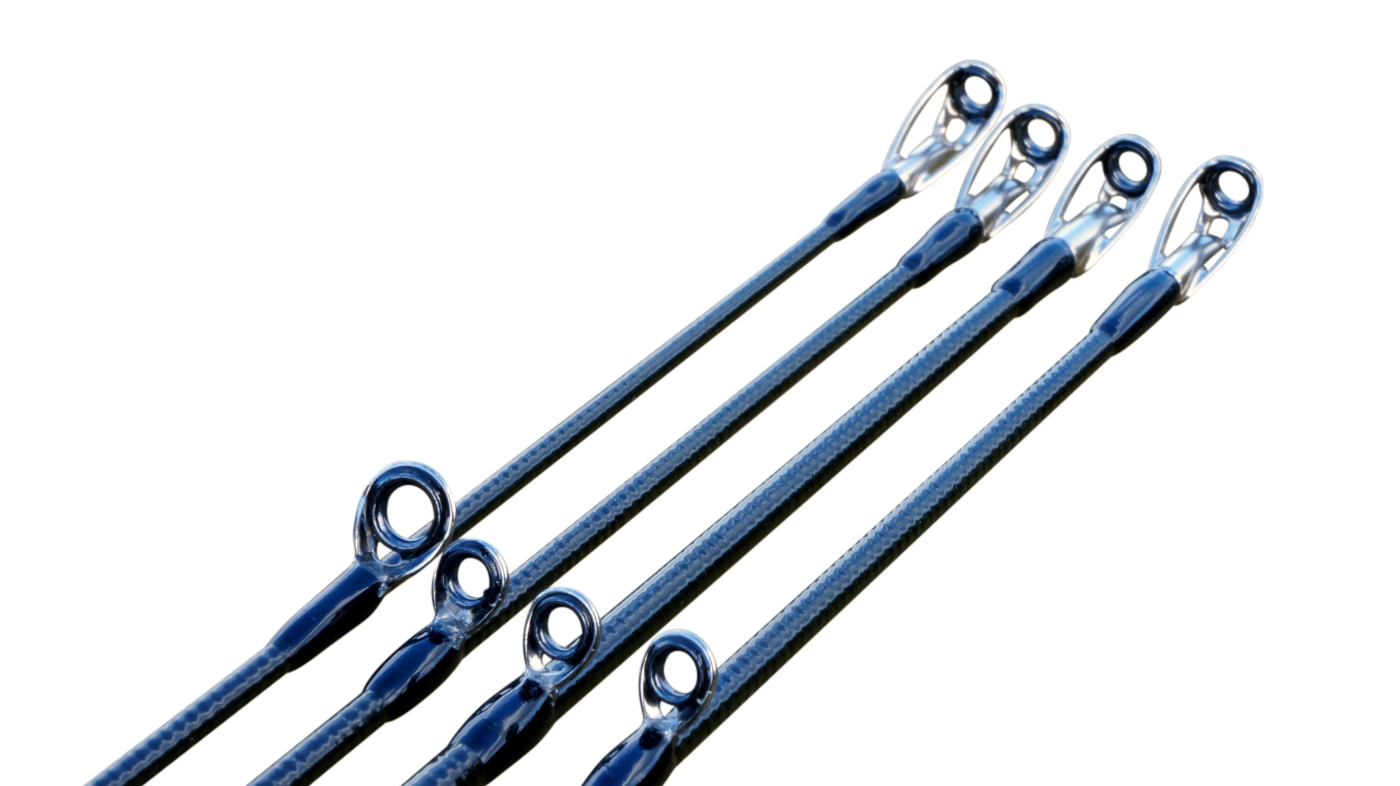
LEGIT DESIGN carefully designs guides for each rod depending on the specific rod type. For example, the WSC72H+ is intended for heavy cover and big fish. We use double-foot guides for the whole rod and smaller size guides to keep the line as close to the blank as possible, reducing the impact of wind, grass, and other elements.
Reel seat
WILD SIDE casting models use the Fuji ECS reel seat. While this isn't Fuji's latest model, we found it to be the most effective and the most comfortable after extensive testing. Regardless of your casting style, the ECS is the best choice for every angler.
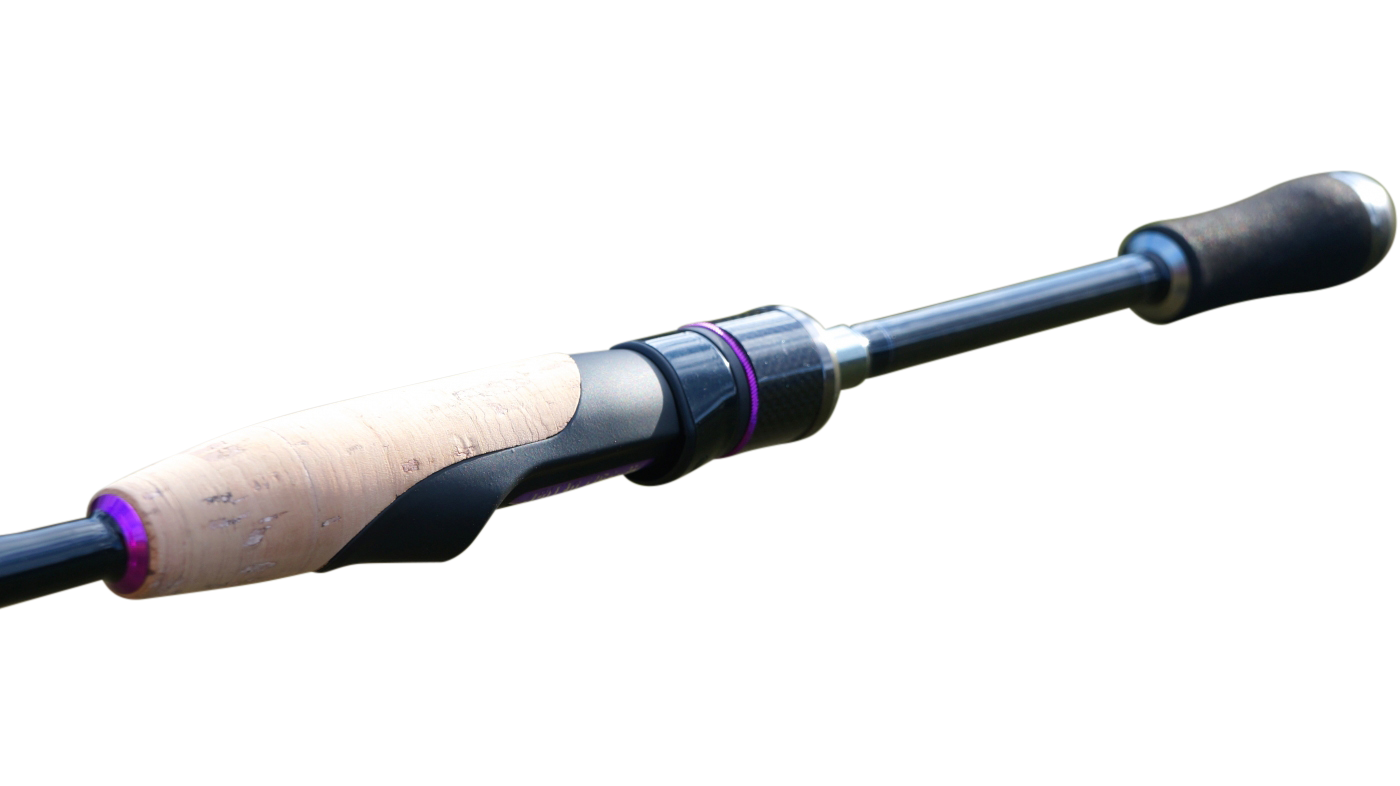
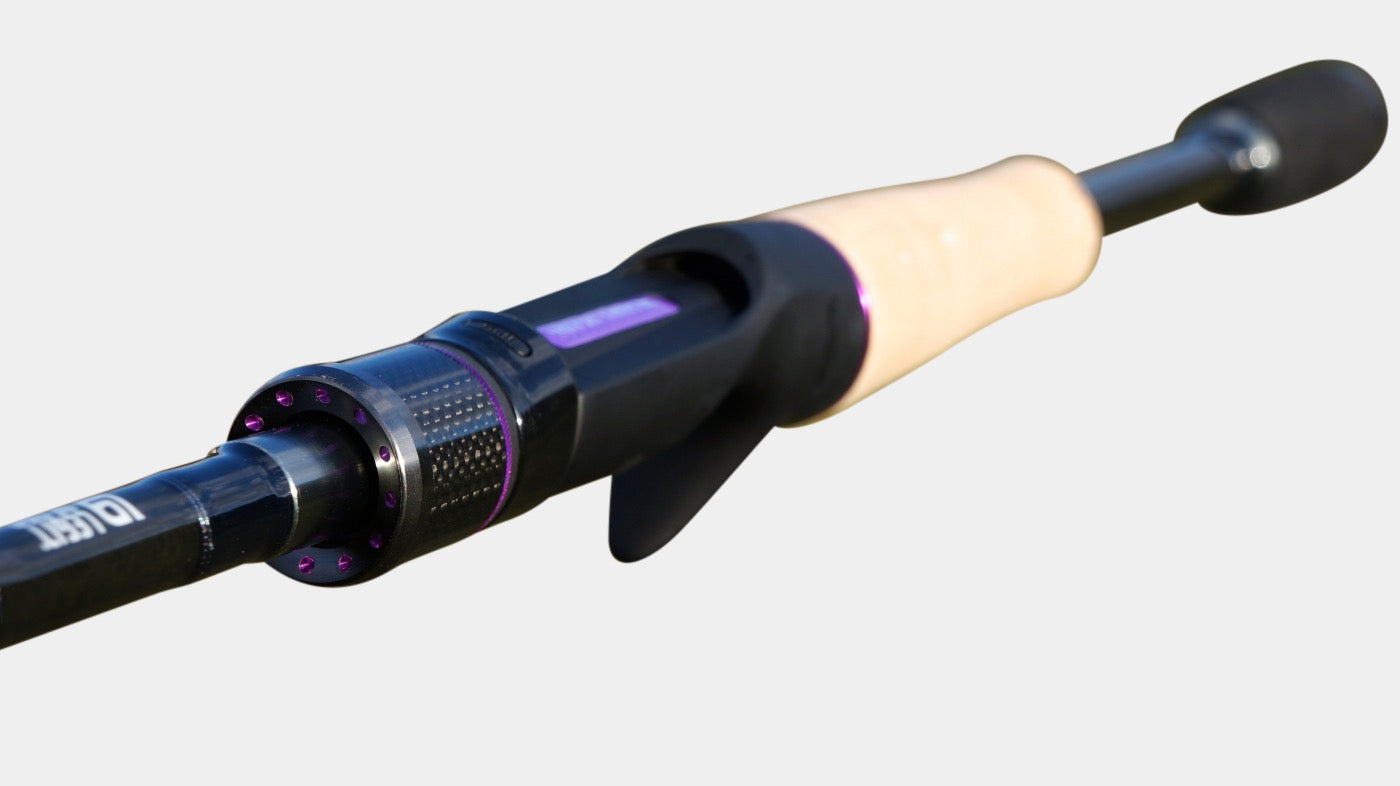
Spinning models use the Fuji VSS reel seat. On the VSS, the hood is 10mm longer than on the ECS, which enhances rod stability regardless of casting style. We also surround the reel seat with high quality cork, which helps anglers feel bites that they might miss on other rods.
End cap
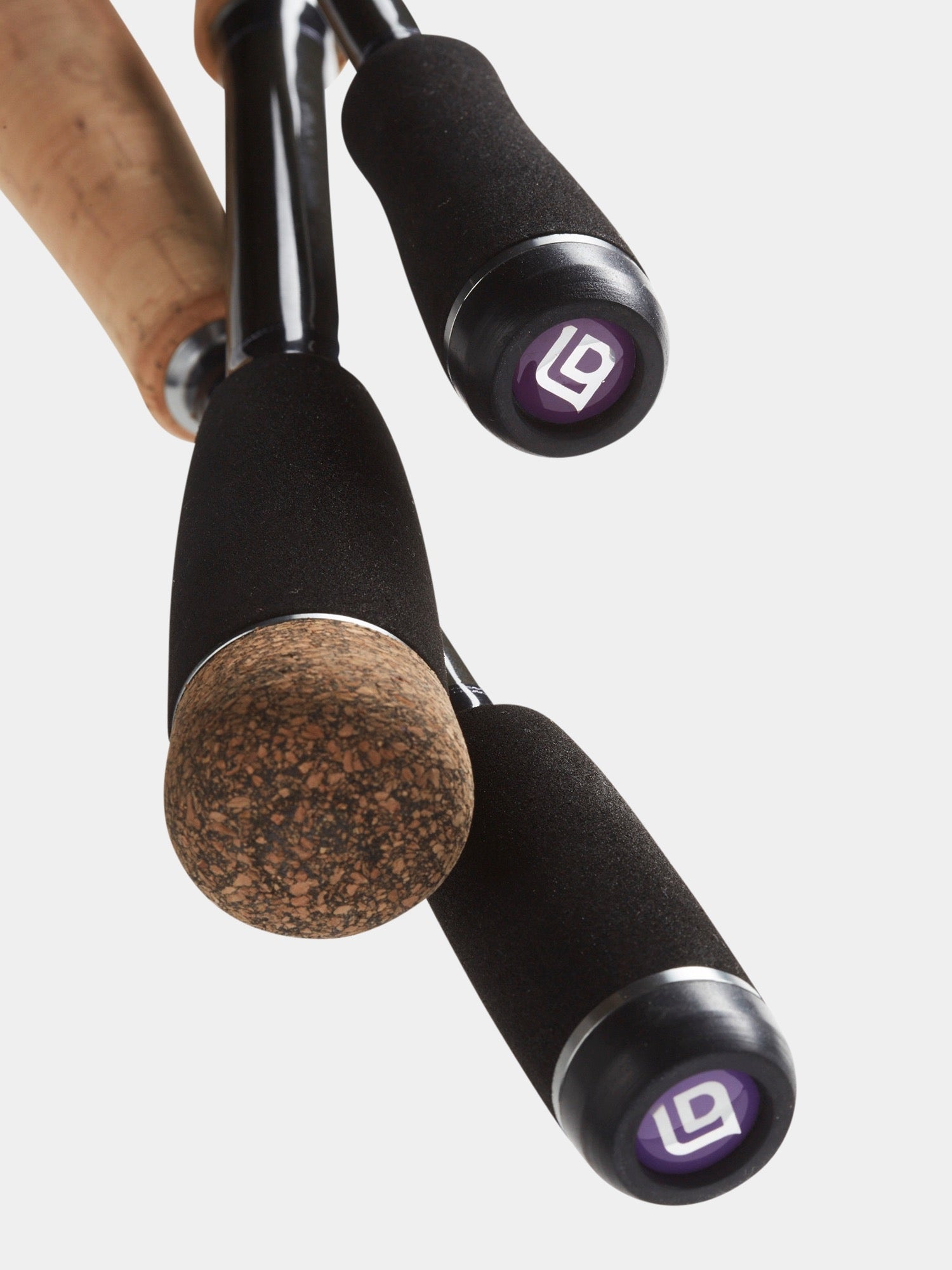
On many rods, we use a fine EVA grip and comfort rubber end cap. EVA is light, durable, and performs well when wet. For bigger rods, we often use a combination of EVA with a rubber cork as the butt end. This provides a better contact feeling when fighting the fish. We also carefully consider rod balance and handling comfort when deciding the position of the reel seat and the shape of the fore grip.
Butt joint
For longer rods, we employ a butt joint that separates the rod handle from the rest of the rod for ease of transport. While butt joints on many rods are notoriously difficult to separate, our design is solid during fishing but easily removed with a firm twist.
Sinker & hook keeper (spinning models)
All spinning models have a sinker and hook keeper, positioned on the back of the rod to reduce the chance of tangling.
Solid tip
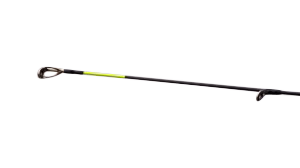
Solid tip rods have many advantages, helping anglers search for inactive bass and better reflecting the bite signal of softer hits. We use a 30T carbon-graphite mix to make our tip section. We also add a hi-vis marker to the tip of each rod, which keeps users aware of where their rod tip is at all times.
Model specifications
Taper, length, lure weight, and line rating for every spinning and casting model.